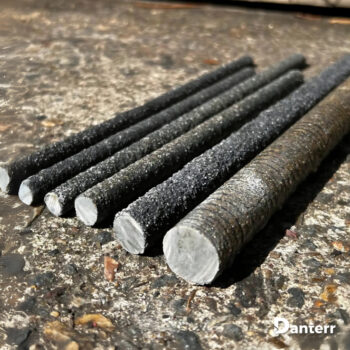
Have you ever wondered how large concrete structures maintain their stability and durability over time? The answer lies in a critical but often overlooked component: Dowels. These small but mighty connectors are essential for transferring loads, preventing joint deterioration, and maintaining slab alignment in a wide variety of construction projects.
Understanding the types of dowels available—and how they perform—will significantly enhance the quality and longevity of your structures. Danterr’s versatile dowel range supports the success of construction efforts across Australia, whether for civil, industrial, or commercial use.
What Are Dowels and Why Are They Important?
Dowels are cylindrical rods or bars made from materials such as steel, concrete, or wood, designed to provide structural reinforcement and stability to different elements within a building, such as concrete slabs, walls, and foundations. They are useful in preventing joint deterioration and maintaining the structural alignment of adjoining slabs. Dowels improve the ability of concrete constructions to handle stress and load and enhance the durability and structural integrity of concrete structures.
Key Function of Using Dowels
- Load Transfer: Dowels facilitate load transfer by connecting two adjacent concrete slabs, allowing them to function as a single unit. This helps distribute heavy loads, such as vehicles passing over joints, more evenly and prevents the formation of cracks.
- Expansion and Contraction: Concrete expands and contracts due to temperature fluctuations and other environmental factors. Dowels accommodate these movements by allowing the slabs to shift slightly without damaging the overall structure.
- Joint Stability: Dowels reinforce the joints between different sections of a building, enhancing stability and reducing the risk of displacement, ensuring the structure remains secure over time.
Dowels Available at Danterr
Projects Featuring Danterr Dowels
Best Practices for Dowel Installation
To maximise the benefits of dowels, it’s crucial to follow best practices during installation:
- Proper Alignment: Ensure concrete dowels are properly aligned to promote load transfer and movements.
- Correct Placement: Bury bar dowels to the right depth that is prescribed by the project specifications and ensure that they are properly spaced as required.
- Quality Materials: Use high-quality dowels for concrete joints that meet industry standards to guarantee durability and performance.
Sustainability and Dowels
At Danterr, sustainability is a core aspect of our operations. We understand the significance of practising environmentally friendly measures and strive to supply products that support greener construction. Using dowel joint concrete systems provides concrete structures with improved structural performance as well as sustainability by reducing the need for frequent repairs and replacements.
To learn more about concrete jointing systems and where dowels come in, check out our guide on The Essential Guide to Concrete Jointing Systems in Construction. Also, check out the most innovative materials transforming the industry in our article on Why GFRP Rebar is Transforming the Construction Industry.
Conclusion
Incorporating dowels into your construction projects is a wise decision that enhances structural integrity, improves load distribution, and promotes sustainability. At Danterr, you will find the very best dowels for your projects and most importantly, expert advice to help you complete them. Contact Danterr today!
📞: 1800 262 383
📧: [email protected]
Frequently Asked Questions: